
Clean-Record Multi-Car Insurance — Mississippi
Free to compare
Why Your Premium Rose When You Added a Second Car
You added a second vehicle to your household, every driver on the policy has a clean record, and your premium jumped by more than the cost of insuring one additional car. The multi-car discount you expected did not materialize, or it applied but the combined premium still exceeded what you calculated. Mississippi carriers structure multi-vehicle discounts around same-policy requirements, and a vehicle titled to a household member on a separate policy or garaged at a different address often disqualifies the discount entirely.
Mississippi's $25,000 per-person, $50,000 per-accident, $25,000 property-damage minimum liability limits apply to every vehicle you own. When you add a second car, the carrier re-rates the entire policy rather than adding a flat per-vehicle charge. Your clean record keeps the base rate low, but the combined exposure across two vehicles, the garaging address for each, and whether both cars sit on the same policy determine the final premium and whether the multi-car discount applies.
“A vehicle titled separately or garaged elsewhere often disqualifies the multi-car discount entirely, even with the same carrier.”

Get More Than the Mississippi Minimum for Less
Get My Mississippi Car Insurance Quote$100/mo
Mississippi Baseline Premium
Mississippi drivers pay approximately $100 per month for auto insurance, according to NAIC Auto Insurance Database Report 2023. Multi-vehicle households pay more in total but often less per vehicle when the multi-car discount applies.
NAIC Auto Insurance Database Report 2023
Same-Policy Requirement and Garaging-Address Rules
The multi-car discount almost always requires every vehicle to appear on the same policy. A second car titled to your spouse, adult child, or other household member on a separate policy does not count toward the same-policy requirement, even when both policies are with the same carrier. The discount applies to the policy, not to the household's total vehicle count across multiple policies.
Many carriers also require that all vehicles share the same garaging address. A car garaged at a second home, a college student's apartment, or a work parking lot in a different ZIP code may disqualify the multi-car discount or trigger a separate garaging-address surcharge. Mississippi's 28.2% uninsured-motorist rate means carriers price policies by ZIP-code risk, and a vehicle garaged in a higher-theft or higher-uninsured-driver area raises the combined premium even when the primary vehicle sits in a lower-risk zone.
When you combine two existing policies after marriage or a household move, the carrier re-rates every vehicle on the new combined policy. The multi-car discount applies, but the combined premium reflects the highest-risk driver, the highest-risk garaging address, and the combined liability exposure across all vehicles. A clean-record household adding a second car usually sees a lower per-vehicle cost, but the total premium rises because the carrier now covers two vehicles' worth of collision, comprehensive, and liability risk.
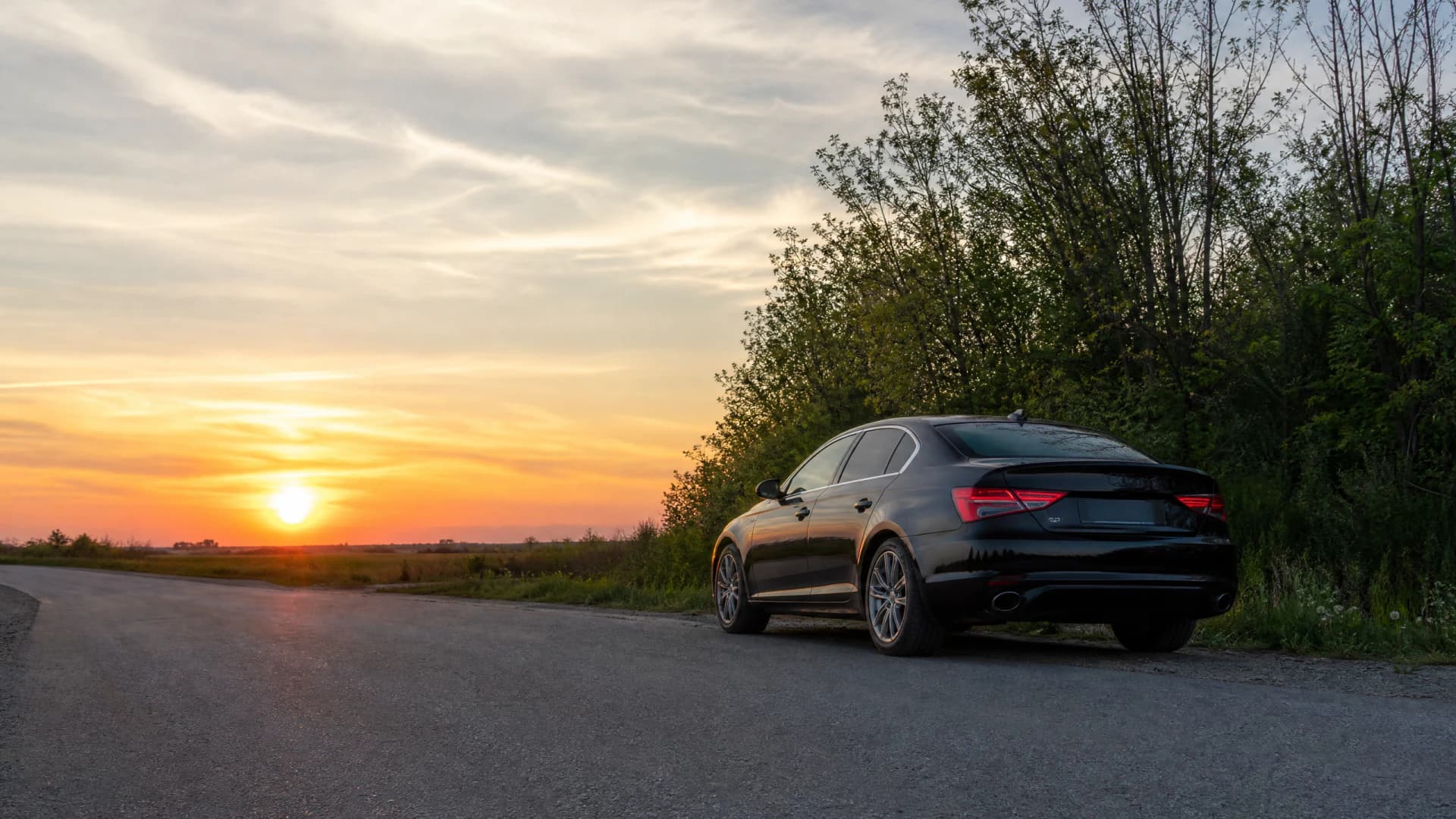
A vehicle titled to someone outside the household or garaged at a separate address often disqualifies the multi-car discount entirely, even when both policies are with the same carrier.






Uninsured-Motorist Coverage Across Multiple Vehicles
Mississippi does not mandate uninsured-motorist or underinsured-motorist coverage, but 28.2% of Mississippi drivers are uninsured — the third-highest rate in the nation. When you add a second vehicle, the uninsured-motorist coverage you carry on the first car does not automatically extend to the second. Each vehicle on the policy must carry its own uninsured-motorist coverage, or the policy must include a stacked uninsured-motorist endorsement that pools coverage across all vehicles.
Stacked uninsured-motorist coverage costs more than per-vehicle coverage but provides higher limits when an uninsured driver hits you. A household with two vehicles carrying $25,000 per-person stacked uninsured-motorist coverage has $50,000 in total coverage available after an accident, regardless of which vehicle was hit. Non-stacked coverage provides only the per-vehicle limit. Mississippi carriers writing multi-vehicle policies — including Progressive, GEICO, State Farm, and Allstate — offer both stacked and non-stacked options; the choice affects the combined premium and the coverage available after a claim.
When you combine two policies, the carrier asks whether you want stacked or non-stacked uninsured-motorist coverage on the new combined policy. A clean-record household in a high-uninsured-driver state like Mississippi often chooses stacked coverage because the additional cost is small relative to the increased protection. The decision applies to every vehicle on the policy; you cannot stack coverage on one car and leave it non-stacked on another.
28.2%
Mississippi Uninsured-Motorist Rate
28.2% of Mississippi drivers are uninsured, the third-highest rate in the United States as of 2023. Multi-vehicle households in Mississippi face higher uninsured-motorist claim risk and often add stacked UM coverage to pool limits across all vehicles.
Insurance Research Council, 2023
When Adding a Vehicle Re-Rates the Entire Policy
Adding a second vehicle mid-term triggers an immediate policy re-rate, not a simple per-vehicle add-on charge. The carrier recalculates the premium for every vehicle on the policy based on the combined exposure, the garaging addresses, and the highest-risk driver. A clean-record household adding a second car sees the base rate remain low, but the combined collision, comprehensive, and liability premiums rise because the carrier now covers two vehicles' worth of risk.
The multi-car discount applies from the date the second vehicle is added, but the discount percentage varies by carrier and by the total number of vehicles on the policy. A household moving from one car to two typically sees a larger per-vehicle discount than a household moving from two cars to three. Mississippi carriers writing multi-vehicle policies — including State Farm, GEICO, Progressive, and Farmers — each apply different discount schedules; comparing quotes from multiple carriers before adding the second vehicle shows the true combined cost.
Compare Carriers That Write Multi-Vehicle Policies in Mississippi
Mississippi licenses 30 carriers writing multi-vehicle auto insurance policies, including State Farm, GEICO, Progressive, Allstate, Farmers, Nationwide, Liberty Mutual, Travelers, and USAA. Each carrier defines same-policy and garaging-address requirements differently, and each applies a different multi-car discount schedule. A household with two clean-record drivers adding a second vehicle should compare quotes from at least three carriers to find the lowest combined premium.
When you request quotes, provide the garaging address for each vehicle, the annual mileage for each car, and whether any vehicle is titled to someone outside the household. Carriers price multi-vehicle policies by ZIP-code risk, and a vehicle garaged in a higher-theft or higher-uninsured-driver area raises the combined premium even when the primary vehicle sits in a lower-risk zone. Mississippi's 28.2% uninsured-motorist rate means the garaging address for each vehicle affects the uninsured-motorist premium as much as the liability premium. Use the comparison tool on this site to request quotes from multiple Mississippi carriers and see the combined cost before adding the second vehicle to your existing policy.
How Carriers Structure Multi-Vehicle Discounts
The multi-car discount reduces the per-vehicle premium when two or more vehicles sit on the same policy and meet the carrier's garaging-address requirement. Carriers writing in Mississippi — including State Farm, GEICO, Progressive, Allstate, Farmers, and Nationwide — each define same-policy and garaging-address rules slightly differently. Some carriers allow a college student's vehicle garaged out of state to remain on the family policy and qualify for the multi-car discount; others require the vehicle to garage at the primary address or move to a separate policy.
When you add a second vehicle mid-term, the carrier re-rates the policy immediately rather than waiting for renewal. The multi-car discount applies from the date the second vehicle is added, but the combined premium reflects the new vehicle's collision and comprehensive coverage, its garaging ZIP code, and the liability exposure across both cars. A household with two clean-record drivers adding a second car typically sees the per-vehicle premium drop by 10 to 25 percent compared to insuring each car separately, but the total premium rises because the carrier now covers two vehicles.
Get Your Free Quote
Get My Mississippi Car Insurance QuoteFrequently Asked Questions
Does the multi-car discount apply automatically when I add a second vehicle in Mississippi?
The multi-car discount applies only when both vehicles sit on the same policy and meet the carrier's garaging-address requirement. A second car titled to a household member on a separate policy or garaged at a different address often disqualifies the discount entirely, even when both policies are with the same carrier.
How much does adding a second car raise my premium in Mississippi?
Adding a second vehicle triggers a policy re-rate that recalculates the premium for every car based on combined exposure, garaging addresses, and the highest-risk driver. The multi-car discount reduces the per-vehicle cost, but the total premium rises because the carrier now covers two vehicles' worth of collision, comprehensive, and liability risk.
Do I need separate uninsured-motorist coverage for each vehicle on a multi-car policy?
Mississippi does not mandate uninsured-motorist coverage, but each vehicle on the policy must carry its own UM coverage unless you add a stacked uninsured-motorist endorsement. Stacked coverage pools limits across all vehicles, providing higher total coverage after an accident with an uninsured driver.
Can I keep a college student's car on my Mississippi policy and still get the multi-car discount?
Some Mississippi carriers allow a college student's vehicle garaged out of state to remain on the family policy and qualify for the multi-car discount; others require the vehicle to garage at the primary address or move to a separate policy. Check your carrier's garaging-address rules before the student leaves for school.
Which Mississippi carriers offer the best multi-car discounts for clean-record households?
State Farm, GEICO, Progressive, Allstate, Farmers, and Nationwide all write multi-vehicle policies in Mississippi and apply different discount schedules. A household with two clean-record drivers should compare quotes from at least three carriers to find the lowest combined premium, because same-policy and garaging-address requirements vary by carrier.
What happens if I combine two policies after marriage in Mississippi?
Combining two policies triggers a re-rate that reflects the highest-risk driver, the highest-risk garaging address, and the combined liability exposure across all vehicles. The multi-car discount applies, but the combined premium may be higher or lower than the sum of the two separate policies depending on each driver's record and each vehicle's garaging ZIP code.